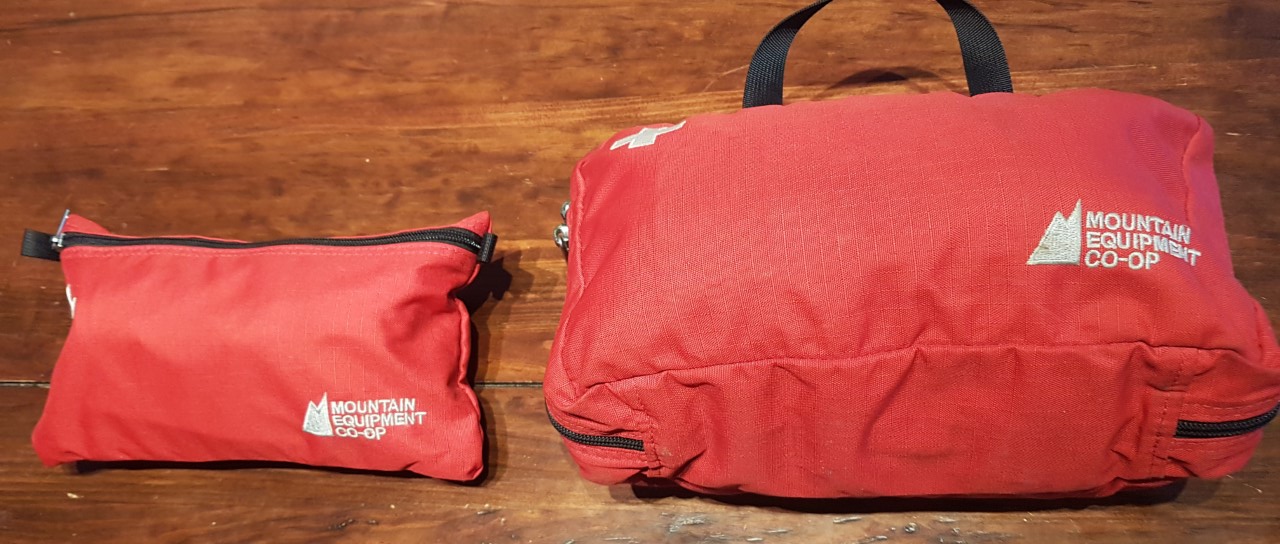
My wilderness first aid kit is basically a small emergency room and pharmacy packed into 2 small, durable bags carried in a dry bag. As an ED physician I carry a kit that allows me to suture wounds, treat bladder, ear and skin infections, decompress a tension pneumothorax, reduce dislocated joints, splint fingers and limbs and even temporize appendicitis whether we’re in Michoacan, Mexico or the Yukon Territory.
But your kit can be more basic and still get you through most of what you’ll ever likely encounter. If you’re in a canoe there’s no need to scrimp too much on weight or a little space so carry a kit that will meet most of your basic needs.
Slightly off topic, my other suggestion is to take a basic first aid and a basic CPR course before heading out into the wilderness with your children.
Wilderness first aid courses are available in Canada through the Red Cross.
Pre-packaged kits are available at many outdoor outfitters or you can build your own. My suggestions for the contents of a reasonable kit include the following:
- Medical gloves
- Gauze cling rolls
- Bandages of different sizes, preferably very adhesive if using on a canoe trip
- antimicrobial ointment
- butterfly bandages
- skin glue (or crazy glue which works well) for small lacerations
- nonstick sterile pads
- a variety of adhesive tapes
- blister pads
- triangular bandage
- absorbent compression bandages
- finger splints
- SAM (flexible) splints for extremity fractures
- cotton swabs
- tweezers
- dressing scissors
- wound scrub brush
- safety pins
- CPR mask
- thermometer
- 20cc syringe with blunt tip for irrigating wounds
Over the counter medications I recommend bringing on any trip include:
- Analgesics – Ibuprofen (Advil) and acetaminophen (Tylenol) – bring liquid or chewable versions if traveling with kids
- sunscreen and insect repellent
- nausea medications – dimenhydrinate (Gravol) – again available in liquid, rapid-melt or rectal versions if bringing kids
- anti-diarrheal medication – loparamide
- antihistamines for allergic reactions / stings
- afterbite solution for bites / stings
- antacids
- nasal decongestant spray (not for kids)
Prescription medications I recommend talking to your doctor about bringing on any extended trip include:
- injectable epinephrine (EpiPen) for anaphylaxis
- antibiotic ear drops for swimmers ear
- antibiotic eye drops (especially if anybody in group has contact lenses)
- cephalexin for skin infections (chewable for kids, will also work for bladder infections for kids)
- an antibiotic for bladder infections (my recommendation would be nitrofurantoin)
- ondansetron wafers for vomiting
My kit also includes:
- injectable anaesthetics
- a variety of syringes and needle sizes
- disposable scalpel
- a variety of both resorbable and non-resorbable sutures
- toothed and non-toothed forceps, suture driver, small hemostats, penrose drain
- 16 gauge angiocatheter and 3 way stopcock for temporizing tension pneumothorax
- more extensive list of antibiotics, injectable antihistamine















































 A little too close to nature